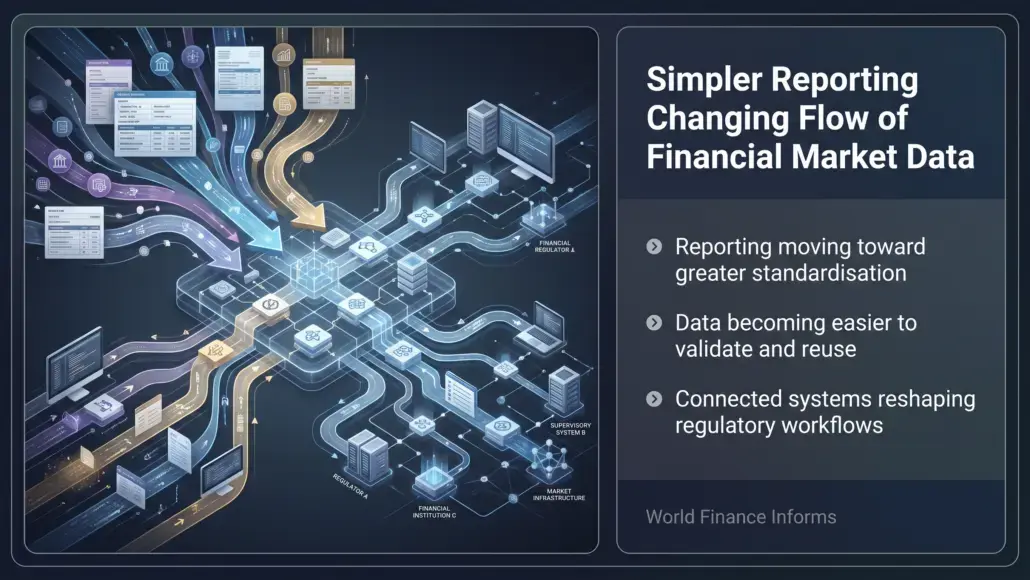
Financial reporting frameworks are being redesigned as regulators and market participants look to reduce duplicated submissions and make reported information more reusable. The shift is significant because fragmented reporting can require the same transaction details to move through multiple channels, creating additional reconciliation, validation and operational work. A simpler model could change not only how firms report information, but also how financial-market data is collected and distributed across supervisory systems.
Reporting Frameworks Moving Toward Greater Integration
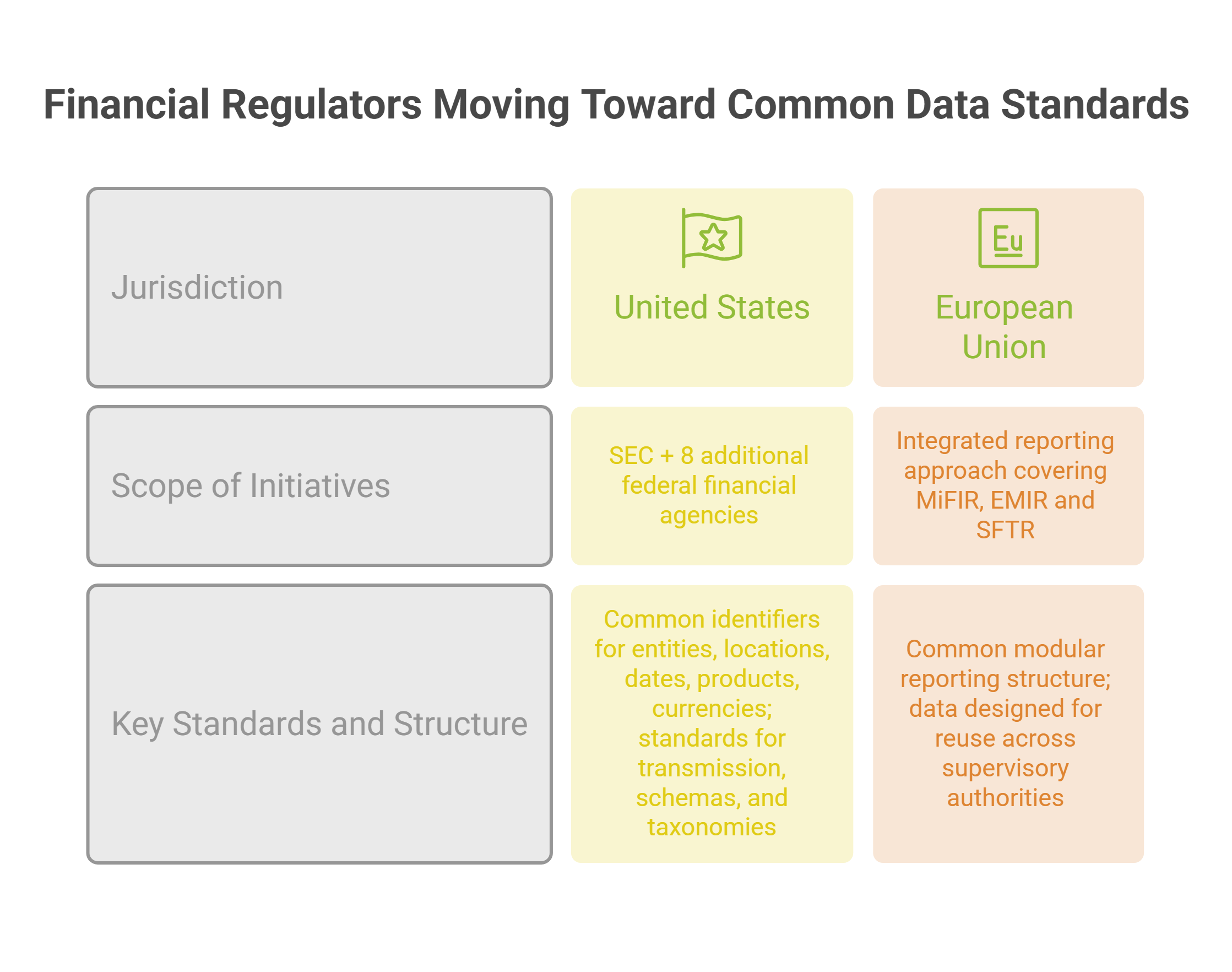
The European Securities and Markets Authority has proposed a “Report Once” approach for transaction reporting under MiFIR, EMIR and SFTR. The proposed framework would allow firms to submit transaction information once through a common modular structure, with the resulting data reused across different authorities and supervisory mandates. ESMA identified duplicated reporting across frameworks and channels, dual-sided reporting and reconciliation, and unsynchronised regulatory changes among the main sources of complexity.
The approach represents a shift from treating each reporting requirement as a separate submission toward viewing reporting information as a shared data resource. Instead of repeatedly preparing similar records for different regulatory purposes, firms could increasingly rely on standardised information that can be validated and reused across multiple processes. This could make financial market data more consistent across reporting channels while reducing the operational effort required to maintain separate reporting flows.
Data Reuse Becoming Central to Regulatory Reporting
The proposed model also reflects a broader change in how regulators are approaching reporting architecture. ESMA’s analysis indicates that the “Report Once” approach could produce annual net savings of €250 million to €1 billion and reduce recurring costs by around 22% to 24%, although the estimates depend on implementation and the eventual design of the framework.
For financial institutions, the implications extend beyond lower reporting workloads. More integrated reporting structures could reduce the number of times information needs to be transformed between systems, while common structures can make records easier to compare, validate and distribute. The quality of financial market data therefore becomes increasingly connected to the architecture through which it is generated and shared. As reporting moves toward common standards and greater reuse, the next challenge will be ensuring that the underlying data can move efficiently across the systems that depend on it.