


















In the modern corporate environment, the ability to maintain rigorous financial control is no longer just a matter of good practice; it is a critical requirement for survival and growth. As companies expand across borders and navigate a web of increasingly complex regulations, the risk of financial leakage, fraud, and non-compliance grows exponentially. Traditional, decentralized methods of managing treasury activities often involving a mix of local bank portals and offline spreadsheets are simply not capable of providing the level of oversight required in today’s fast-paced market. The emergence of specialized treasury technology platforms has provided a definitive answer to these challenges, offering a centralized command center that integrates all financial activities into a single, highly controlled environment.
Centralizing Global Data for Universal Visibility
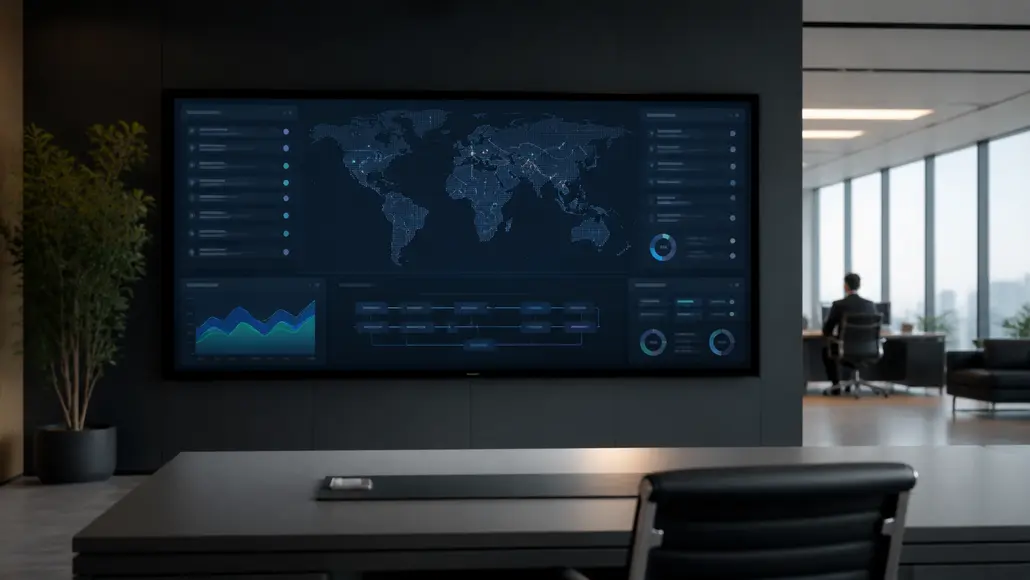
The first and perhaps most significant way that treasury technology platforms improve financial control is through the centralization of data. In a decentralized treasury model, the corporate head office often lacks immediate visibility into the cash positions and activities of its global subsidiaries. This “information gap” creates a significant control risk. If a treasurer cannot see exactly how much cash is in a specific bank account in a remote region, they cannot effectively prevent unauthorized transactions or ensure that local teams are adhering to corporate investment policies. Treasury technology platforms solve this by creating direct, automated connections to the global banking network, pulling all transaction data into a unified dashboard.
This universal visibility ensures that there is a “single version of the truth” for the entire organization. When all stakeholders are looking at the same data, the risk of miscommunication or data manipulation is drastically reduced. Furthermore, centralization allows the treasury team to implement a uniform set of financial controls across all jurisdictions. Whether a payment is being made from a local entity in South America or a subsidiary in Asia, it must pass through the same digital approval workflows defined at the group level. This ensures that the organization’s governance standards are upheld everywhere, regardless of local customs or the size of the regional team.
Hard-Coding Governance and Segregation of Duties
One of the greatest threats to financial integrity is the failure of internal controls, specifically the lack of proper segregation of duties. In manual systems, it is often possible for a single individual to initiate, approve, and execute a payment, creating a massive opportunity for internal fraud. Treasury technology platforms address this by hard-coding governance rules directly into the software. Within these platforms, user roles are strictly defined, and multi-factor approval workflows are enforced for every transaction. This means that for a payment to be released, it might require the digital “signature” of two or even three authorized individuals, each with their own secure login credentials.
These automated workflows are far more than just a digital version of a signature; they are an airtight control mechanism that cannot be bypassed. The system can be configured to require different levels of approval based on the size or destination of the payment, ensuring that high-risk transactions receive the highest level of scrutiny. Furthermore, any changes to these workflow rules are themselves subject to approval and are logged in a permanent, unalterable audit trail. This level of systemic control is the hallmark of modern treasury technology platforms, providing the board and external auditors with the confidence that the organization’s assets are being managed according to the highest ethical and professional standards.
Mitigating Operational Risk through Automation Tools
As businesses expand across markets, managing foreign currency exposure can introduce another layer of financial and operational risk. Alongside broader treasury platforms, specialized technology can help finance teams automate FX processes, improve visibility into currency exposure, and maintain greater control over hedging activities.
1. Kantox
Kantox provides Currency Management Automation software that helps finance teams manage foreign exchange exposure and automate hedging processes. By applying predefined business rules to FX workflows, it can reduce manual intervention while improving visibility and control over currency risk.
2. Sealfx
Sealfx offers treasury automation tools that help businesses streamline currency and liquidity management. Its platform supports automated hedging and exposure management, helping treasury teams reduce manual processes and strengthen oversight.
3. AtlasFX
AtlasFX provides FX risk management technology designed to help businesses manage currency exposure, forecasting, and hedging. By connecting with existing financial systems, it helps automate FX processes while providing greater visibility into foreign currency risk.
These technologies can complement broader treasury infrastructure, giving businesses more focused tools for managing currency-related risks while supporting stronger financial control.
Human error remains a primary source of operational risk in finance. A simple typo in a bank account number or a miscalculation in a currency conversion can lead to significant financial loss. Treasury technology platforms utilize a wide array of automation tools to minimize these “human touchpoints.” Through straight-through processing (STP), data flows from the organization’s ERP system directly into the treasury platform and then out to the bank without any manual re-entry. This ensures the integrity of the information from the moment it is generated until the moment the payment is settled. By eliminating the need for manual data entry, these platforms significantly reduce the likelihood of errors and the associated costs of correcting them.
Automation also plays a critical role in reconciliation. Traditionally, reconciling bank statements against internal records was a tedious, manual process that could take days or even weeks. Modern treasury systems can automate the vast majority of this work, using “intelligent matching” algorithms to pair bank entries with internal ledger items in real time. This allows the treasury team to identify discrepancies or unauthorized activities almost immediately, rather than waiting for a month-end report. This immediacy is a powerful deterrent to fraud and an essential component of a robust financial control framework. When issues are identified in real time, they can be resolved before they escalate into major financial crises.
Advanced Compliance and Audit Readiness
The regulatory burden on global corporations has never been higher. From the Sarbanes-Oxley Act to the latest international Anti-Money Laundering (AML) directives, the requirements for transparency and reporting are immense. Treasury technology platforms are designed with these compliance needs at their core. Every action taken within the system—every login, every payment approval, every change to a bank account detail is timestamped and attributed to a specific user. This creates a comprehensive and searchable audit trail that can be provided to internal or external auditors at a moment’s notice.
Beyond just tracking history, these platforms can proactively assist with compliance by screening payments against global sanctions lists in real time. Before a payment is even sent to the bank, the system can cross-reference the recipient’s details against databases of restricted individuals and entities. If a match is found, the payment is automatically blocked, and the compliance officer is alerted. This automated screening is a critical safeguard in an era where the penalties for violating sanctions can run into the billions of dollars. By integrating compliance checks directly into the payment workflow, treasury technology platforms provide a level of protection that manual processes simply cannot replicate.
Conclusion: The Future of Financial Integrity
The role of technology in financial management has moved from a supporting role to the front and center of the corporate strategy. As the world becomes more digital and transactions move faster, the manual controls of the past are no longer fit for purpose. Treasury technology platforms represent the logical evolution of financial management, providing the tools necessary to maintain control in an increasingly chaotic global market. By embracing these platforms, organizations are not just investing in software; they are investing in the integrity and resilience of their entire financial structure. The result is a more secure, more transparent, and more efficient organization that is capable of navigating the challenges of the future with confidence.