















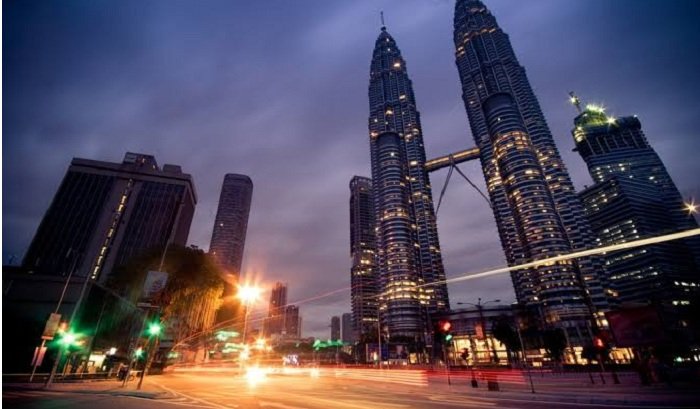


The Malaysia motor insurance market has been undergoing a process of liberalisation since 2016, growing in net earned premium value year-on-year ever since. The Malaysia motor insurance market is expected to grow to a value of $2.4bn in 2023 after a phased liberalisation process, which swapped fixed tariffs for risk-based pricing continues to change the way insurers operate.
Market intelligence firm GlobalData recorded 8.2bn Malaysian Ringgit ($2bn) in net earned premium for 2018, and it expects the growing development of a risk-based market to grow the figure to $2.4bn by 2023.
Prior to 2016, the price of motor coverage was controlled by the Bank Negara Malaysia, the country’s central bank, which would issue lists of fixed premiums and policy wordings insurers were allowed to sell.
GlobalData insurance analyst Priyadarshini Ganai said: “A key factor shaping the market is liberalisation in motor insurance product pricing — with the first phase completed in 2016 followed by the next ongoing phase since 2017.
“It allowed market-based pricing of comprehensive and third-party insurance policies besides enabling new product offerings.
“In 2019, there were 66 new product launches in motor insurance — highest among all lines of general insurance business.”
Moving away from the tariff-based system in motor insurance enabled the introduction of policy pricing set by providers and predicated on consumer risk profiles — the same free-market based system seen elsewhere in developed countries. The result, according to GlobalData, was a decrease in the average premium price paid by drivers.
Malaysia’s phased liberalisation programme
Before the phased liberalisation programme, that started in 2016, insurance companies were regulated to ensure they were takaful compliant — a branch of Sharia Law that dictates the level of interest and risk companies can take with customer’s money. The country ensured this by setting fixed premium and takaful contribution rates based on the model, age and cubic capacity of each vehicle.
The New Motor Cover Framework (the Framework) was implemented in 2012 and saw four rounds of gradual upward adjustments from 2012 to 2015, paving the way for the phased liberalisation of pricing starting in 2016.
The first phase involved allowing insurers to bring new products to market that didn’t have to comply with a tariff — but providers had to keep existing coverage based on central bank guidance available.
In 2017 the second phase was implemented, allowing insurance companies to set their prices based on risk assessment procedures that took into account factors that include the safety and security features of vehicles, the duration they’re on the road and geographical location.
High volume of claims makes profitability hard for insurers
The transition hasn’t been without issues, though. Profitability has been a challenge for insurance companies as they’ve faced high claims volumes from rising motor accidents and incidents of fraud.
Statistics from the General Insurance Association of Malaysia reveal motor insurance claims amounted to MYR14.9mn ($3.65m) per day in the first half of 2019.
As a result, GlobalData said insurers are seeking technology solutions to improve efficiency. Ganai said: “The General Insurance Association of Malaysia’s stated goal is to reduce motor accidents by 50% in collaboration with the Ministry of Transport.
“For insurers, this will help reduce claims and improve profitability. “Furthermore, motor insurers could look forward to a better business environment as pricing gets completely liberalised by the end of 2020.”