


















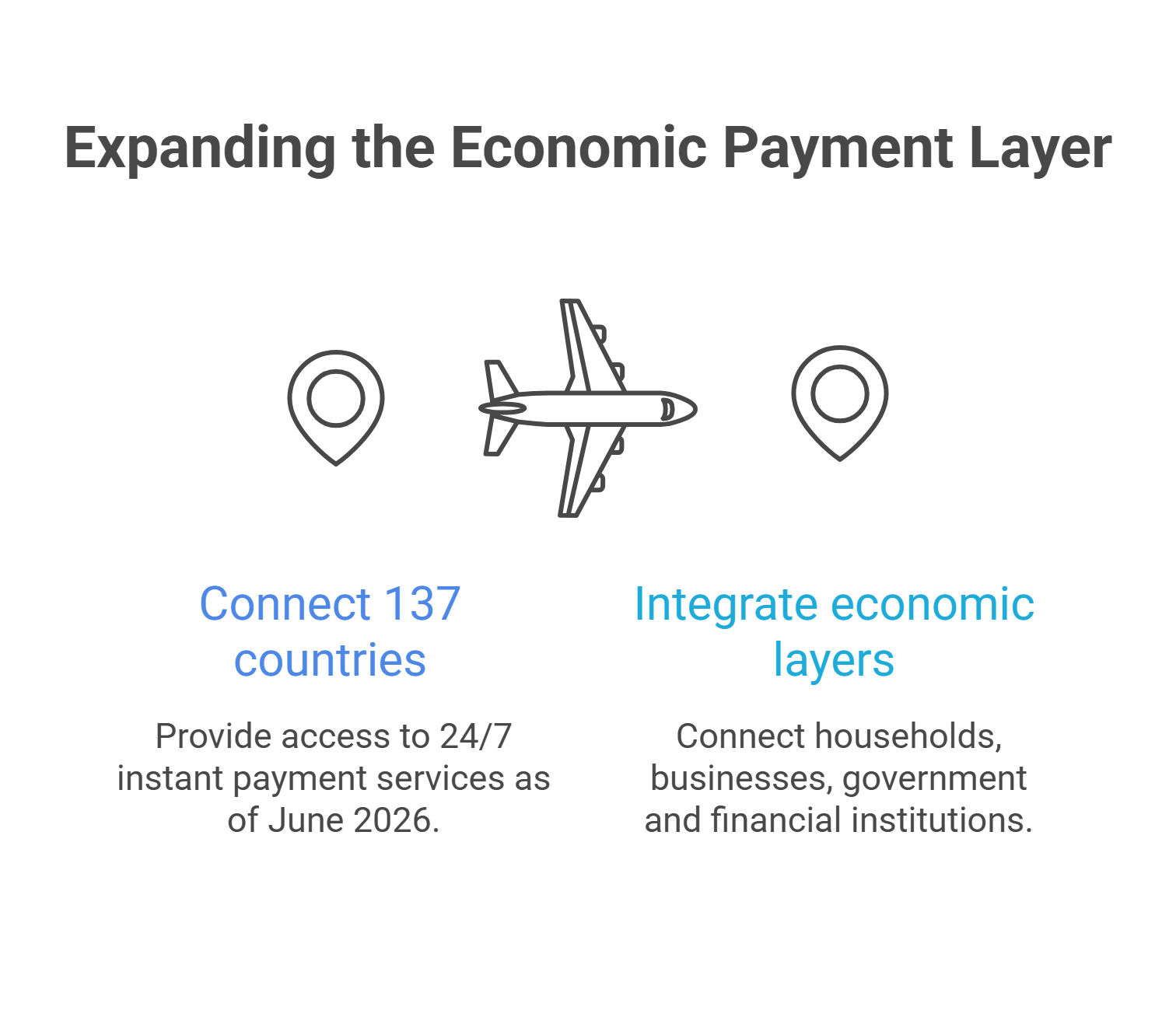
Across the global payments landscape, fast payment systems are moving beyond their role as a faster way to transfer money and becoming part of the broader financial infrastructure supporting economic activity. For World Finance Informs, the shift is significant because payment systems operating continuously can reduce the time between a payment being made and funds becoming available to the recipient. The World Bank’s 2026 research identifies this development through two potential channels: faster circulation of liquidity and faster availability of transaction information. The global spread of 24/7 payment services is making these effects increasingly relevant across different financial systems.
Continuous Settlement Bringing Greater Attention to Liquidity
The economic importance of fast payment systems begins with the timing of funds. Traditional settlement processes can leave businesses, households and other payment recipients waiting before funds become usable, creating a need for additional liquidity buffers. Continuous settlement can shorten that interval, potentially allowing businesses to reuse incoming funds sooner, improve working-capital turnover and reduce the amount of money that must remain idle to cover settlement delays. This becomes particularly relevant where fast payments are integrated into supplier payments, merchant transactions, payroll or government disbursements.
The World Bank’s framework also points to fast payment systems as a potential source of information acceleration. More immediate transaction records can improve visibility into cash flows and economic activity when supported by appropriate consent, privacy and data-governance arrangements. Together, these mechanisms suggest that the significance of fast payments is extending from transaction speed toward the broader movement and availability of money across the economy.
Real-Time Payment Data Expanding the Information Layer
The infrastructure role of fast payment systems also extends beyond the movement of funds. Every payment creates transaction information, and when payments are processed continuously, that information can become available closer to the point at which economic activity occurs. The World Bank’s 2026 research identifies this as an “information acceleration” channel, arguing that transaction records, subject to appropriate consent and data-governance arrangements, can improve visibility into cash flows and economic activity. This can be relevant for financial institutions assessing customers whose conventional credit histories or collateral are limited.
Integration Determining the Depth of Economic Impact
The broader economic significance of fast payment systems depends on how deeply they are integrated into financial and commercial activity. The World Bank’s global payment-systems work links modern payment infrastructure with government payments, financial inclusion and digital financial services, while its FASTT programme describes fast-payment systems as infrastructure supporting banks, non-bank providers, multiple payment instruments and domestic or cross-border use cases. This means availability alone does not establish an economy-wide effect. Adoption, interoperability, merchant acceptance and integration into business and public-sector payment flows determine how extensively the infrastructure can influence economic activity.
A deeper infrastructure role also increases the importance of trust and resilience. As fast payment systems become more embedded in financial activity, identity, fraud controls, privacy, cybersecurity and reliable system operation become part of the wider architecture. The World Bank’s 2026 digital-public-infrastructure programme places fast payments alongside digital identity and other interoperable systems, reinforcing the idea that payment infrastructure is increasingly connected to the wider digital economy rather than operating as an isolated financial service.
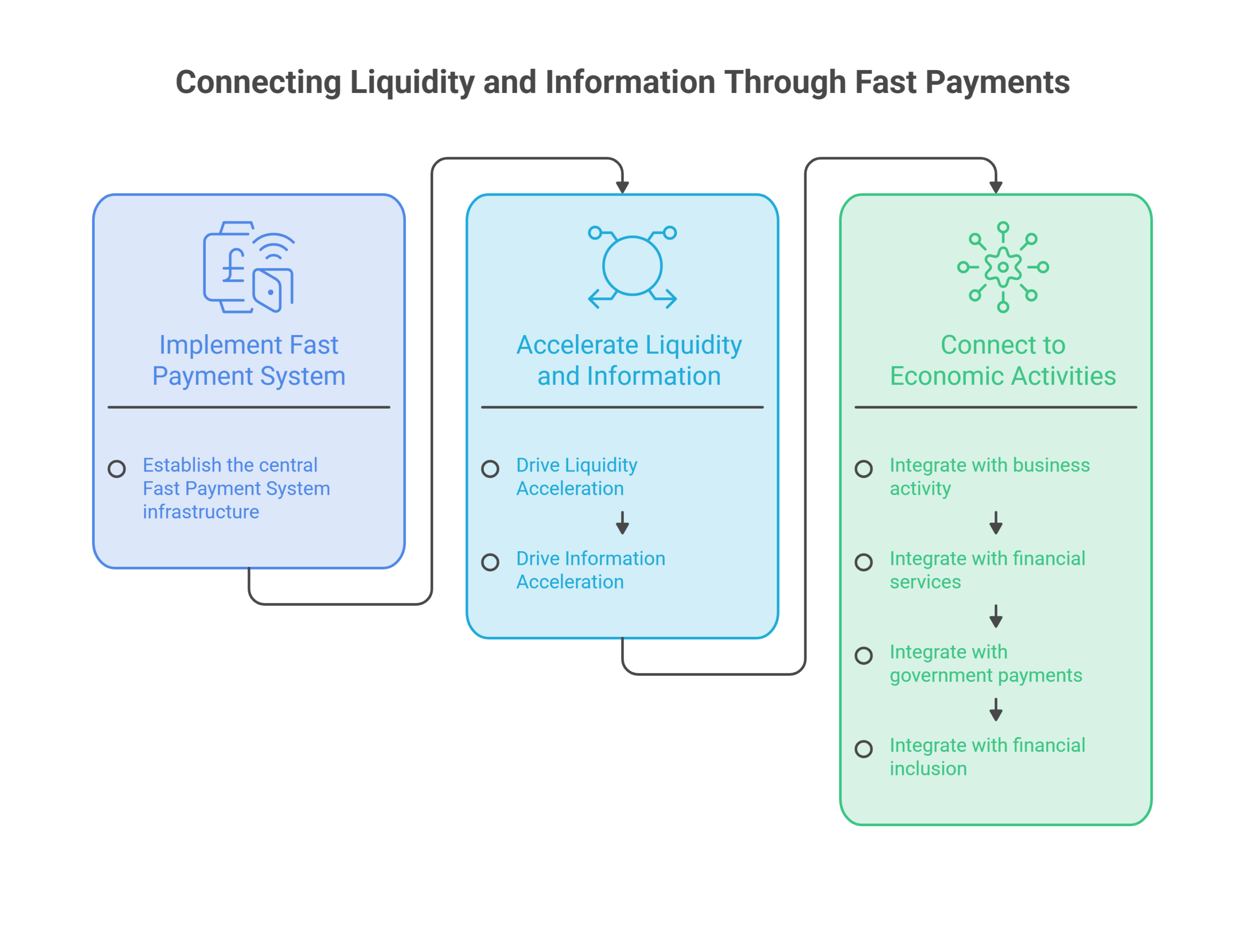
Key Takeaway: The broader infrastructure role of fast payments can arise from both quicker movement of funds and faster availability of transaction information.
Fast Payments Taking on a Broader Infrastructure Role
The growing role of fast payment systems reflects a broader change in how payment infrastructure interacts with economic activity. Their significance extends beyond transaction speed as continuous availability can shorten the time between payment initiation and usable funds, while transaction data can provide more immediate visibility into cash flows. However, these potential effects depend on adoption, interoperability, integration and the governance frameworks surrounding the systems.
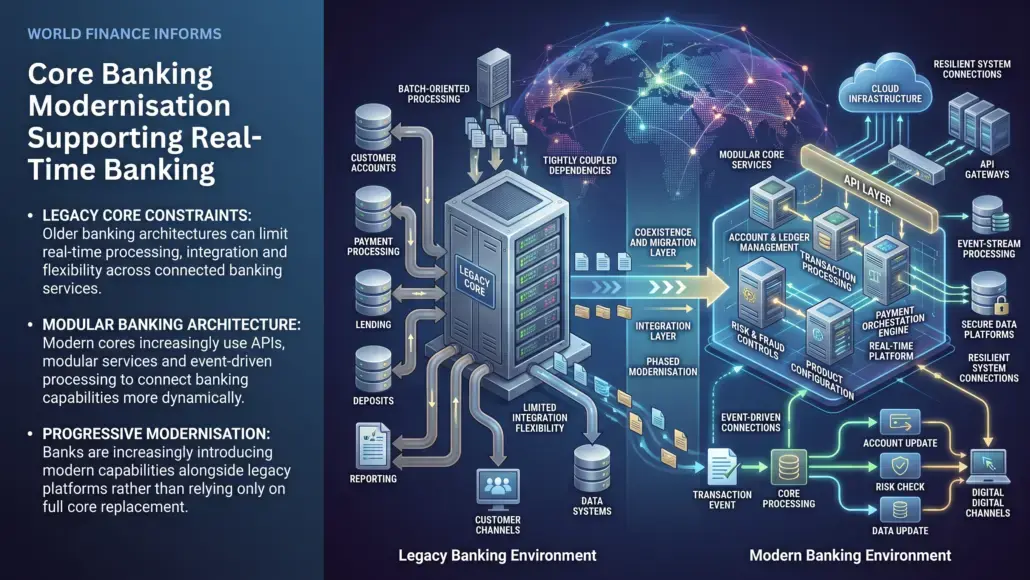
The macroeconomic role of fast payments should therefore be viewed as an emerging infrastructure development rather than a fully established economic outcome. As financial institutions modernise the systems supporting real-time transactions, the connection between payment infrastructure and core banking operations becomes increasingly important, linking the development to real-time banking capabilities.
For World Finance Informs, the development highlights how payment infrastructure is becoming more closely connected with the wider functioning of the digital financial system.

