



















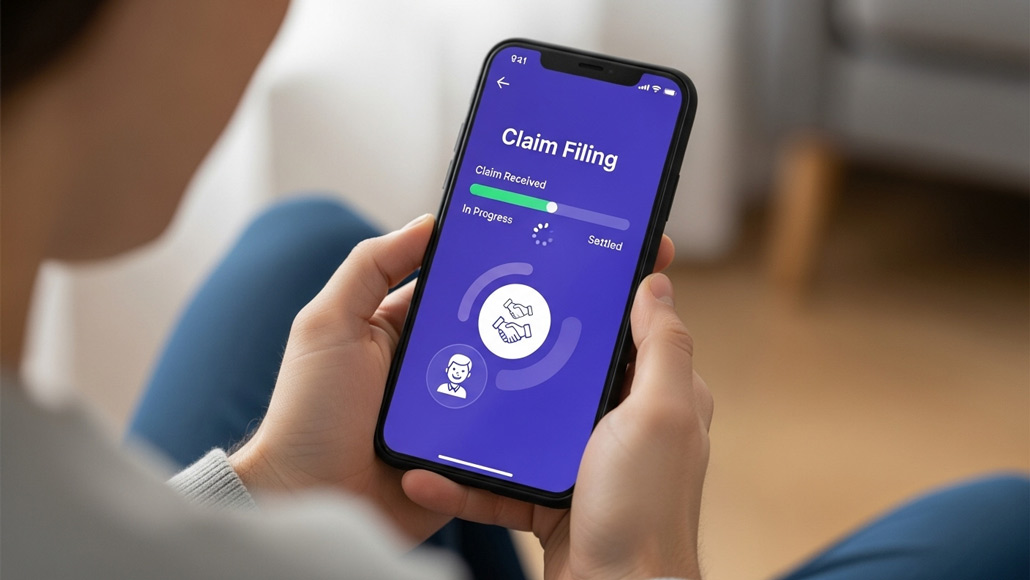

From Policy to Payout: Building Seamless Customer Experiences in Claims
Insurance, at its core, is a promise. When customers purchase a policy, they are not just buying financial protection; they are trusting that their insurer will stand by them when misfortune strikes. For decades, however, the claims process — the moment of truth for insurers — has often been marred by delays, complexity, and poor communication.
In an age of digital transformation, customer expectations have changed dramatically. Policyholders now expect the same level of seamless service they receive from e-commerce platforms, banks, or ride-hailing apps. Insurance companies are under pressure to ensure that the journey from policy to payout is not just efficient but also empathetic, transparent, and personalized. This shift is redefining the competitive landscape, making customer experience in insurance claims one of the most important differentiators in the industry.
Why Customer Experience Matters More Than Ever
Claims are the ultimate test of an insurer’s value proposition. A smooth claims process strengthens trust and loyalty, while a poor experience can drive customers away permanently. Research shows that policyholders who have a positive claims experience are far more likely to renew their policies and recommend their insurer to others.
Customer experience in insurance claims is not just a service metric — it is directly tied to revenue growth, brand reputation, and retention. With competitors increasingly offering digital-first solutions, insurers who fail to meet rising expectations risk losing ground.
Digital Touchpoints Redefining Claims Journeys
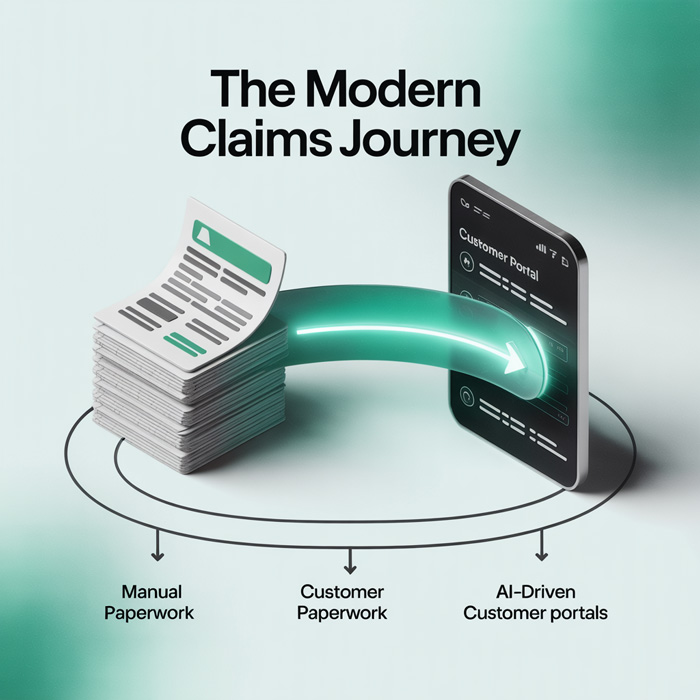
The rise of digital platforms has enabled insurers to reimagine every step of the claims process. Customers no longer want to fill out long forms, wait on hold with call centers, or visit physical offices. Instead, they want quick, intuitive touchpoints:
- Mobile apps that allow them to file claims in minutes.
- Digital document uploads instead of mailing paperwork.
- Real-time claim status tracking on web portals.
- AI-powered chatbots that answer questions instantly.
These digital interactions bring convenience, but they also create transparency — a key factor in building customer confidence during stressful moments.
Blending Empathy with Technology
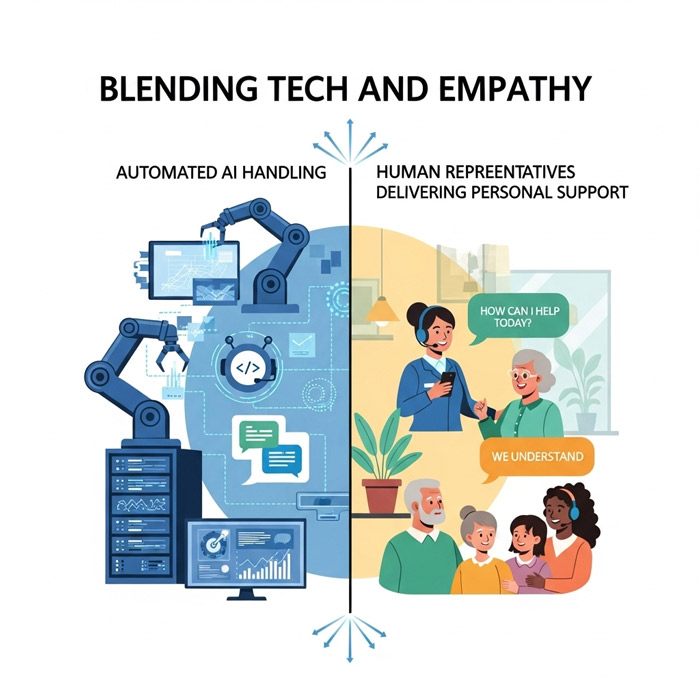
Technology may drive speed and efficiency, but insurance is a human business at its heart. The emotional context of claims means that empathy cannot be overlooked. Customers dealing with accidents, illnesses, or property loss need reassurance and understanding as much as financial compensation.
The best insurers combine automation with the human touch. AI can handle repetitive tasks and provide instant updates, but customer service representatives are still critical for complex cases. When staff are freed from administrative burdens, they can spend more time listening to customers, addressing concerns, and delivering empathy at scale.
Case in Point: Industry Leaders Setting the Standard
- USAA (USA): Known for its exceptional customer service, USAA integrates mobile-first claims filing with proactive outreach, ensuring that policyholders feel supported from start to finish.
- AXA (Europe): AXA’s customer experience strategy includes real-time tracking tools that update customers at every stage of the claims process, improving trust and satisfaction.
- Lemonade (USA): As an Insurtech disruptor, Lemonade uses AI to approve simple claims in seconds, while maintaining human intervention for sensitive or complex cases.
These examples show that customer experience is not just a buzzword — it is a measurable advantage in an increasingly competitive industry.
Overcoming Barriers to a Seamless Experience
Despite progress, insurers still face challenges in delivering seamless claims journeys. Legacy systems often slow down integration with digital tools. Regulatory compliance adds complexity, and balancing cost efficiency with personalized service remains difficult.
However, forward-thinking insurers are addressing these barriers by investing in connected data ecosystems, adopting flexible cloud platforms, and training staff to work alongside automation. Ultimately, the ability to overcome these hurdles will determine which companies lead the customer experience race.
The Future of Customer-Centric Claims
Looking ahead, insurers are likely to push the boundaries even further. Emerging innovations include:
- Personalized claims journeys tailored by AI to each customer’s preferences.
- Proactive claims handling where IoT devices and telematics detect issues and trigger claims automatically.
- Omnichannel experiences allowing customers to move seamlessly between mobile apps, chatbots, and human agents without losing continuity.
In this future, the claims process will become less of a burden and more of an assurance — a seamless bridge from policy to payout that embodies the promise of insurance.
Conclusion
In the digital era, customer experience in insurance claims has moved from being a service metric to a strategic imperative. Insurers who prioritize transparency, empathy, and convenience are not just streamlining processes — they are strengthening trust, retention, and long-term competitiveness.
As the industry evolves, the winners will be those who reimagine the claims journey from the customer’s perspective, ensuring that every policy truly delivers when it matters most.