


















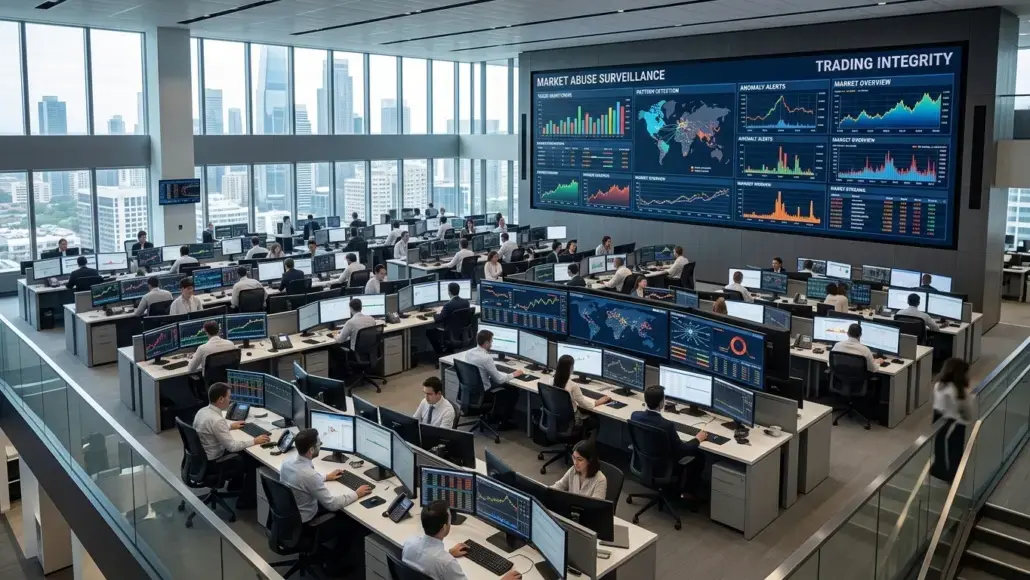

The integrity of capital markets is the bedrock of global economic stability, providing a fair and transparent environment for investors to allocate capital and manage risk. However, this integrity is constantly under threat from various forms of misconduct, such as insider trading, market manipulation, and the dissemination of false information. Market abuse surveillance has emerged as a critical line of defense against these activities, providing the tools and oversight needed to identify and prevent misconduct before it can damage market confidence. By implementing sophisticated surveillance systems, financial institutions and regulators can ensure that trading remains fair and orderly, protecting the interests of all participants and fostering long-term economic growth.
At its core, market abuse surveillance involves the continuous monitoring of trading activity and communications to detect patterns that may indicate illegal behavior. This requires a deep understanding of market dynamics and the tactics used by those seeking to manipulate prices or gain an unfair advantage. By integrating advanced technology with human expertise, surveillance programs can identify potential abuses in real-time, allowing for immediate intervention and investigation. This proactive approach is essential for maintaining trading integrity and for demonstrating a clear commitment to regulatory excellence. In an era of high-frequency trading and complex financial instruments, the importance of robust market abuse surveillance has never been greater.
Implementing Advanced Monitoring and Risk Detection Systems
Modern market abuse surveillance systems are powered by sophisticated algorithms and data analytics that can process millions of messages and trades per second. These tools are designed to identify a wide range of abusive behaviors, such as wash trading, front-running, and spoofing. By using machine learning, these systems can learn from historical data and adapt to new and emerging patterns of misconduct, reducing the number of false positives and allowing surveillance teams to focus on the most serious threats. This level of precision is essential for effective market monitoring in a fast-paced digital environment.
Furthermore, the integration of behavioral analytics into surveillance systems provides a more holistic view of risk. By analyzing not just what a trader is doing, but also how they are communicating and who they are interacting with, surveillance programs can identify hidden patterns and connections that might indicate a larger conspiracy or enterprise. This focus on the human element of risk is a key driver of modern trading integrity. By building a comprehensive picture of market activity, institutions can better identify and mitigate the risks associated with market abuse. The shift toward more proactive and data-driven risk detection is a significant milestone in the development of effective market abuse surveillance.
Strengthening Compliance Controls and Regulatory Oversight
Effective surveillance is built on a foundation of robust compliance controls and clear lines of accountability within the organization. This includes the implementation of rigorous internal policies and procedures, regular training for all employees, and independent audits to verify the integrity of the surveillance program. By fostering a culture of compliance, institutions can reduce the risk of misconduct and ensure that their employees are aware of their responsibilities to the market. These controls provide the necessary guardrails to ensure that trading is conducted in a fair and transparent manner.
Regulatory oversight also plays a vital role in strengthening trading integrity. Regulators around the world are increasingly setting higher standards for market abuse surveillance and requiring institutions to demonstrate the effectiveness of their monitoring programs. This includes the implementation of regulations such as MAR in the European Union and the Dodd-Frank Act in the United States. By aligning their operations with these standards, firms can build a more secure and transparent trading environment and reduce the risk of costly regulatory fines and reputational damage. The partnership between the industry and its regulators is the cornerstone of effective market abuse surveillance and the overall health of the capital markets.
The Impact of Technology on Market Abuse Detection
Technology is a double-edged sword in the fight against market abuse. While it provides new tools for manipulation and misconduct, it also offers more powerful capabilities for detection and prevention. For example, cloud computing provides the scalability needed to process vast amounts of trading data, while blockchain technology can provide a transparent and immutable record of transactions. By embracing these advancements, regulators and institutions can build a more modern and resilient surveillance infrastructure. The ongoing evolution of technology is therefore a major driver of change in the field of market abuse surveillance.
Moreover, the use of natural language processing (NLP) is transforming the way communications are monitored. Surveillance systems can now analyze voice recordings, emails, and instant messages in real-time to identify potential instances of collusion or the sharing of inside information. This capability is particularly important in an age where communications are increasingly decentralized and encrypted. By staying ahead of the technological curve, surveillance programs can ensure that they remain effective in identifying even the most sophisticated forms of market abuse. The commitment to technological innovation is a fundamental part of maintaining trading integrity in the digital age.
Future Challenges in Market Abuse Surveillance and Integrity
As we look to the future, the challenge of managing market abuse will only increase, driven by the rise of digital assets, the increasing use of artificial intelligence by market participants, and the ongoing globalization of trading. For example, the lack of centralized oversight in the cryptocurrency markets creates new opportunities for manipulation and fraud that are difficult to manage using traditional surveillance tools. Similarly, the use of AI-driven trading strategies can lead to new forms of market abuse that are hard to detect and understand. Addressing these emerging threats will require new approaches and tools for market abuse surveillance.
Another major challenge is the need to balance the requirements of surveillance with the need for privacy and data protection. The collection and analysis of sensitive communications and trading data must be handled in a way that respects the privacy rights of individuals and complies with data protection regulations such as GDPR. Finding the right balance between these competing interests is a complex task that requires careful consideration by regulators and financial institutions. By working together, the industry can develop market abuse surveillance programs that are both effective in strengthening trading integrity and supportive of a more privacy-respecting financial world.
Conclusion: A Commitment to Fair and Transparent Markets
In conclusion, market abuse surveillance is a fundamental tool for strengthening trading integrity and for ensuring the long-term stability of the capital markets. By implementing advanced monitoring systems, strengthening compliance controls, and fostering a culture of regulatory oversight, financial institutions and regulators can build a more secure and transparent environment for all participants. The ongoing commitment to excellence in surveillance is a vital part of maintaining public trust and the overall health of the global economy. As we move forward, the continued evolution of these programs will be critical for staying ahead of emerging threats and for building a more prosperous financial world.
The success of these efforts depends on the collective actions of all market participants, from individual traders and compliance officers to global regulatory bodies. By working together in a spirit of transparency and integrity, we can build a financial ecosystem that is resilient to the threat of market abuse and that serves the interests of both the economy and society. The journey towards a more ethical and responsible financial future is ongoing, but with the right tools and a shared commitment to excellence, we can make significant progress in the fight against misconduct and the promotion of integrity. Let us remain dedicated to the principles of fair and transparent markets as we work to build a better world for everyone. Market abuse surveillance is the key to this future.
Consistently applying market abuse surveillance is the only way to protect trading integrity in a complex global market. Without these systems, the risk of market failure and systemic instability increases exponentially.

