




















Litigation is no longer funded only by the people and businesses bringing a case. A growing market of third-party capital is financing legal disputes in exchange for a share of any eventual recovery. That money can help claimants pursue expensive cases, but it can also change the economics of how long disputes run, how much they cost and how insurers assess liability risk.
The market has grown beyond a niche financing mechanism. The NAIC has cited a US$17 billion global litigation-funding industry, based on 2021 data, with more than half of that capital deployed in the United States. More recent European research puts litigation-funding investment in the region at more than €3 billion, with further growth expected as collective actions and other forms of large-scale litigation expand.
For insurers, the importance of litigation funding lies in what happens after a claim enters the legal system. Liability claims can already take years to resolve, particularly where damages are uncertain or multiple parties are involved. External capital can give plaintiffs the financial resources to continue funding lawyers, expert witnesses and other case costs without carrying the full expense themselves.
That does not mean litigation funding automatically creates larger claims. The relationship is more complicated. Funding is one factor within a broader system that includes social inflation, litigation strategies, legal advertising, plaintiff behaviour and changing jury outcomes. But as more outside capital enters the process, insurers have another variable to consider when estimating the eventual cost and duration of liability claims.
Litigation Funding is Becoming Part of the Claims Economy
The basic model is straightforward. A third-party funder provides money to support a legal claim and receives an agreed return if the case succeeds. The arrangement can help claimants pursue disputes that may otherwise be too expensive to sustain, particularly where cases require significant legal work or expert evidence.
For the insurance market, the financial effect can extend beyond the amount eventually awarded. A better-funded case may be able to run for longer, withstand settlement pressure and support more extensive legal work. That can increase defence costs and keep a liability claim open for longer, making the eventual financial outcome harder to predict.
This matters particularly for long-tail insurance lines. Insurers may write a policy today but only discover the final cost of a liability claim several years later. When the legal environment changes during that period, historical loss data can become a less reliable guide to future claims.
The connection with social inflation is therefore important. Recent research identifies litigation funding as one contributor to the broader increase in liability claims costs, alongside factors such as higher jury awards, changes in plaintiff strategies and expanding litigation activity.
The strongest way to understand the shift is to look at the claims process as an economic chain. External capital can affect the ability to sustain litigation, which can influence legal expenses and settlement dynamics, which can ultimately affect the cost an insurer has to reserve and pay.
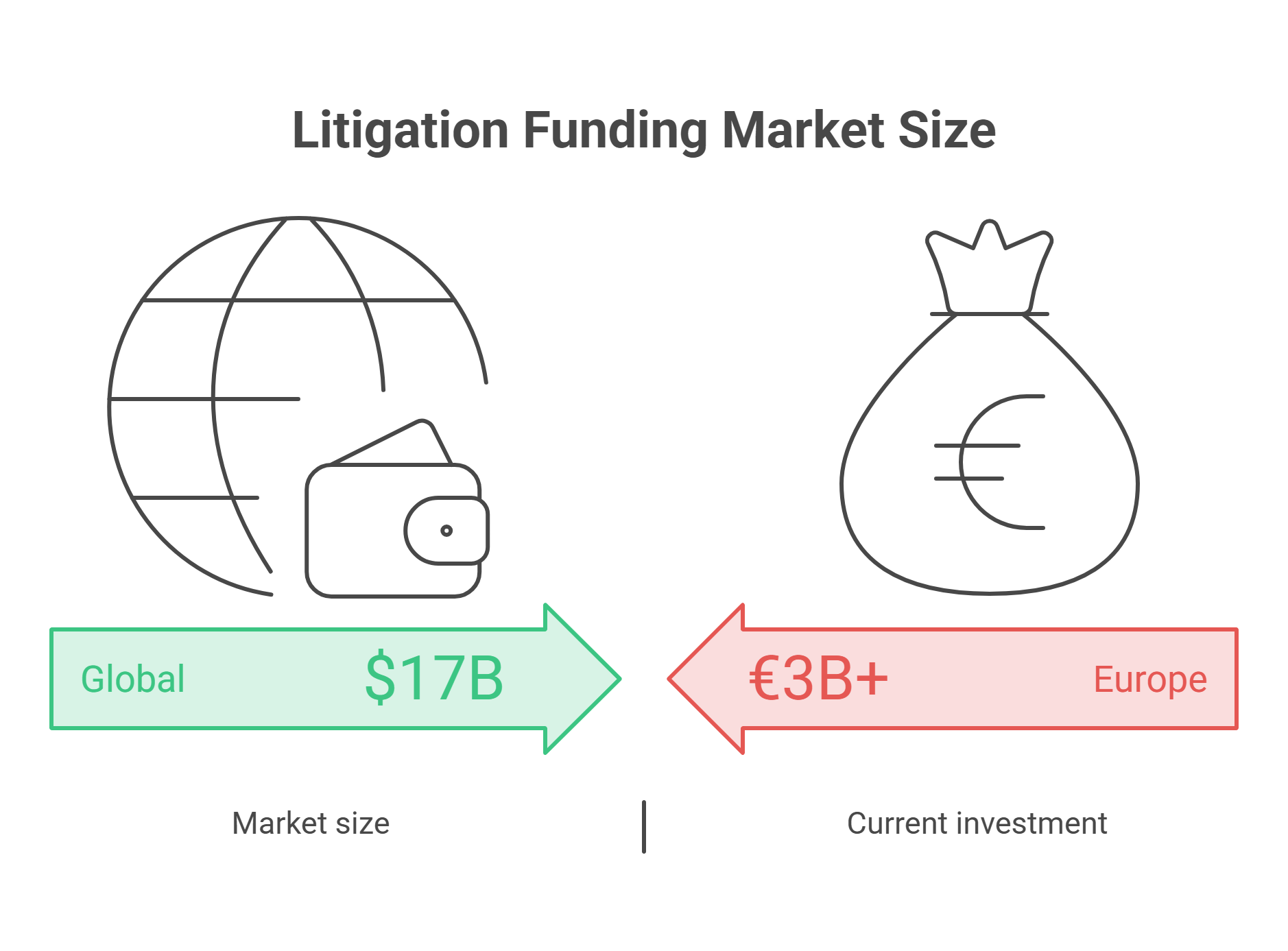
Key takeaway: Litigation funding has grown into a meaningful source of capital for legal disputes, creating another financial factor for insurers to consider when assessing liability claims.
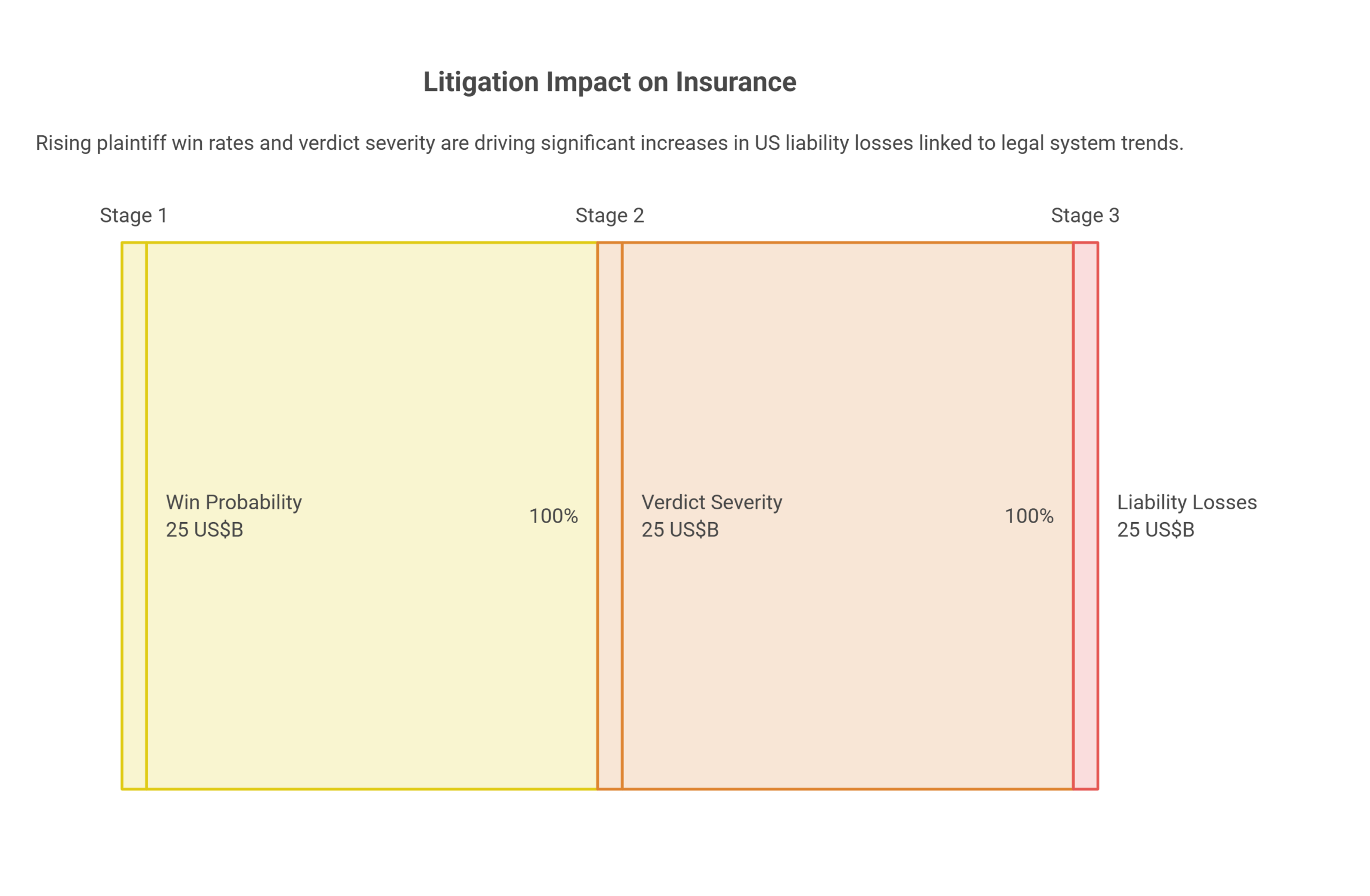

Key takeaway: Litigation funding is one part of a wider liability environment in which claims outcomes and eventual insurance costs are becoming harder to predict.
Regulation is Catching Up with Litigation Capital
As litigation funding grows, regulators are increasingly interested in transparency around who is financing a claim and what financial interests may exist behind the litigation.
The UK is one example. Its Civil Justice Council reviewed third-party litigation funding in 2025, examining issues including regulation, funder returns, claimant protection, court oversight and conflicts of interest. The review reflects a broader question facing the market: how should a growing source of litigation capital be governed without undermining access to justice?
In the US, transparency is also becoming a more visible insurance issue. New measures are emerging around disclosure of litigation-funding arrangements, while proposed federal legislation has also focused on disclosure of certain funding relationships. For insurers, greater transparency can make it easier to understand who has an economic interest in a claim and how that could affect litigation strategy or settlement negotiations.
Europe is developing its own approach as collective actions and litigation funding expand. Recent European research estimates that more than €3 billion is currently invested in litigation funding, with further growth expected as collective redress mechanisms become more established.
This creates a more complex claims environment for multinational insurers. The role of litigation funding, its disclosure requirements and its effect on settlements can vary significantly by jurisdiction. A funding model that is common in one market may face very different legal or regulatory treatment elsewhere.
For insurers, that means the economics of a liability claim increasingly depend not only on the underlying loss, but also on the legal environment surrounding the dispute.