


















The World’s Leading Claims Event

US Fed Revises Supervisory Rating Framework for Big Banks

Note* - All images used are for editorial and illustrative purposes only and may not originate from the original news provider or associated company.

Subscribe

- Never miss a story with notifications

- Gain full access to our premium content

- Browse free from any location or device.

Media Packs

Expand Your Reach With Our Customized Solutions Empowering Your Campaigns To Maximize Your Reach & Drive Real Results!

– Access the Media Pack Now

– Book a Conference Call

Leave Message for Us to Get Back

Related stories

Mastercard-botim Money Partnership Expands Global Transfers

Mastercard and botim Money have announced a partnership to...

Ripple UK FCA Approvals Expand Cross-Border Payment Services

Ripple has secured new regulatory approvals in the UK,...

HSBC UAE Asset Management Unit Launches 10 Onshore Funds

HSBC has registered ten new investment funds with the...

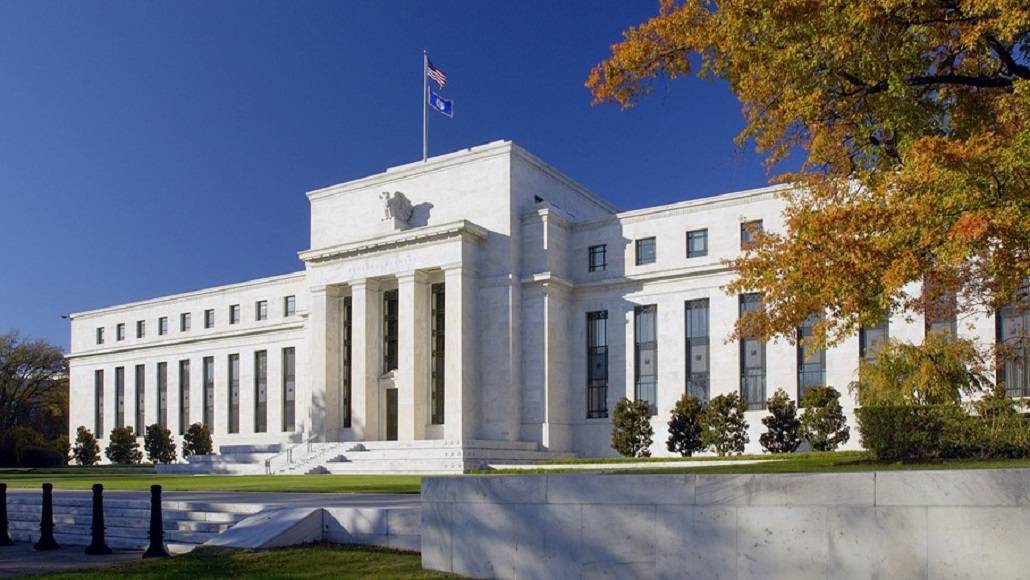
The Federal Reserve Board has approved final amendments to its supervisory rating framework for large bank holding companies. The finalized version largely mirrors the proposal issued in July, with refinements intended to provide a more accurate reflection of banks’ individual strength and to bring greater consistency with supervisory systems applied to other financial institutions.

Originally introduced in 2018, the Board’s large bank supervisory rating framework is designed to assess whether major firms maintain sufficient financial and operational resilience to operate safely and comply with regulatory standards under a variety of conditions. The framework evaluates three core components, namely capital, liquidity, and governance and controls, each of which can be rated as “broadly meets expectations,” “conditionally meets expectations,” “deficient-1,” or “deficient-2.”

“Bank ratings should reflect overall safety and soundness, not just isolated deficiencies in a single component,” said Vice Chair for Supervision Michelle W. Bowman. “These framework changes address this by helping to ensure that overall firm condition is the primary consideration in a bank’s rating.”

Under the finalized framework, a bank with no more than one component rated “deficient-1” will now be regarded as “well managed.” The approach remains unchanged for firms with any “deficient-2” component rating, which will continue to be classified as not well managed. Institutions falling into the latter category face restrictions on certain activities and acquisitions.

The Federal Reserve Board has also made similar updates to the supervisory rating framework it uses for insurers that fall under its oversight. The revisions are set to take effect 60 days after their publication in the Federal Register.

Latest stories

Related stories

Mastercard-botim Money Partnership Expands Global Transfers

Mastercard and botim Money have announced a partnership to...

Ripple UK FCA Approvals Expand Cross-Border Payment Services

Ripple has secured new regulatory approvals in the UK,...

HSBC UAE Asset Management Unit Launches 10 Onshore Funds

HSBC has registered ten new investment funds with the...

AI Personalization in Banking: Real-Time Customer Experiences that Drive Loyalty

Discover how adaptive AI delivers micro-personalized banking experiences through behavioral analysis and real-time insights, increasing customer satisfaction by 25% and cross-selling success rates by 30%.

Subscribe

- Never miss a story with notifications

- Gain full access to our premium content

- Browse free from any location or device.

Media Packs

Expand Your Reach With Our Customized Solutions Empowering Your Campaigns To Maximize Your Reach & Drive Real Results!

– Access the Media Pack Now

– Book a Conference Call

Leave Message for Us to Get Back

Translate »