



















Connected Data Ecosystems: Unlocking the Future of Insurance Claims
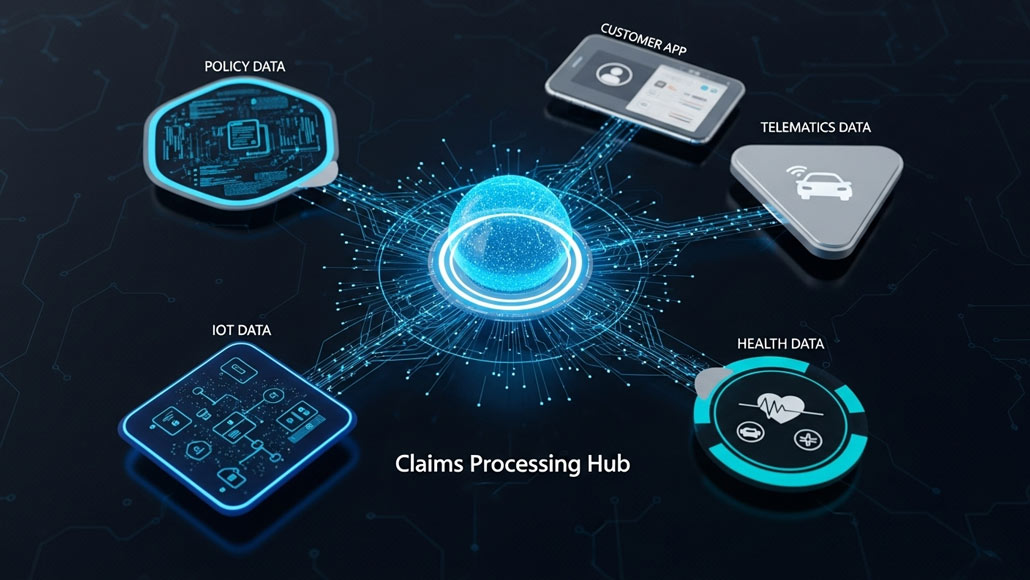
Insurance companies sit on vast oceans of data. From policyholder information and claims records to sensor readings, telematics, and customer interactions, insurers have access to more data than almost any other industry. Yet, for decades, this data has been locked away in silos — scattered across departments, systems, and legacy platforms that rarely “talk” to each other.
This fragmentation has long hindered insurers’ ability to deliver fast, accurate, and seamless claims experiences. Today, however, a new model is emerging: the connected data ecosystem. By integrating disparate datasets into unified platforms, insurers are not just improving operational efficiency but also laying the groundwork for smarter, customer-centric claims.
In the context of rising customer expectations and the push toward digital transformation, connected data in insurance claims is rapidly moving from an industry aspiration to a business necessity.
Why Connected Data Matters in Claims
The claims process is often the single most data-intensive part of insurance. A single auto claim, for example, may involve policy data, accident photos, repair shop estimates, police reports, telematics records, and even weather data. Without integration, adjusters spend hours manually reconciling information, slowing down settlements and frustrating customers.
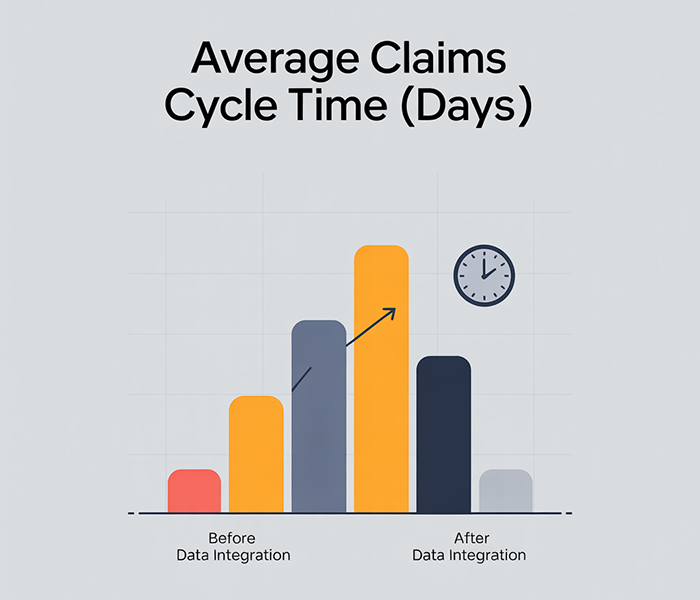
Connected data ecosystems eliminate this inefficiency by providing a 360-degree view of each claim. Instead of pulling data from multiple systems, adjusters and automated tools can access everything in one place. This enables:
-
Faster decision-making
-
Improved accuracy in claim assessments
-
Better fraud detection
-
Enhanced customer communication
In short, connected data makes claims smarter, faster, and more transparent.
Breaking Down the Silos
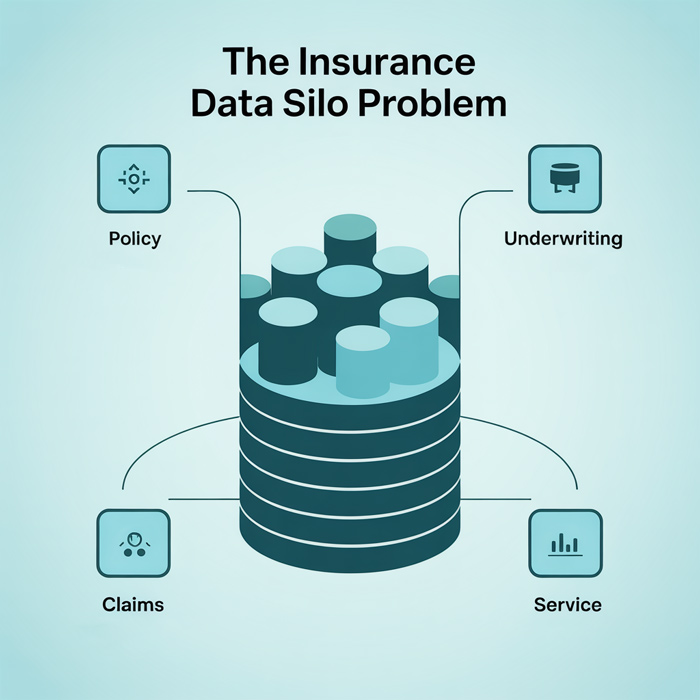
The biggest barrier to connected data in insurance claims has been the siloed nature of legacy systems. Underwriting, policy management, claims handling, and customer service often run on separate platforms that were never designed to integrate.
The shift toward cloud-based infrastructure and APIs is helping break these silos. Modern insurers are adopting enterprise data lakes and real-time data streaming technologies that allow information to flow seamlessly across business units. This doesn’t just improve claims; it also enables cross-functional insights that enhance underwriting, risk management, and product innovation.
Real-World Use Cases of Connected Data in Claims
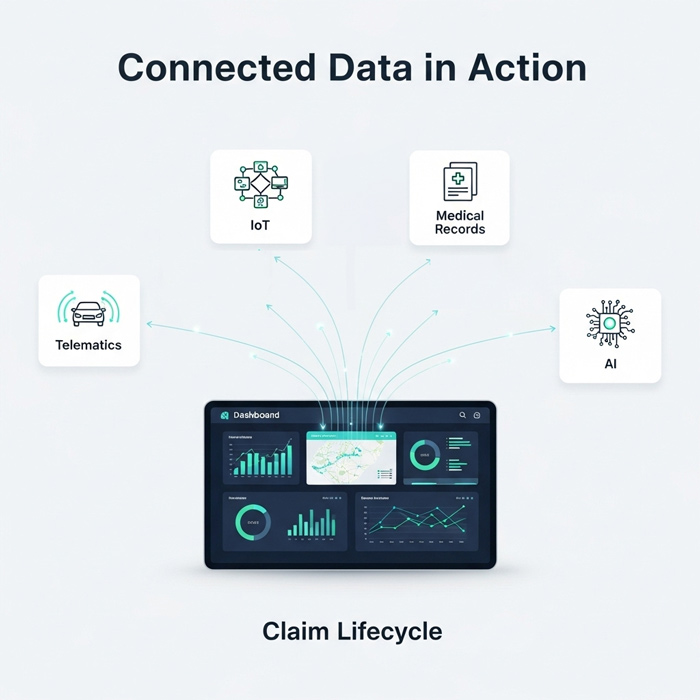
-
Telematics in Auto Insurance
Insurers leveraging connected car data can instantly validate accident reports, assess driving behavior, and determine liability. This reduces disputes and accelerates payouts. -
Healthcare Claims with Medical Records Integration
By connecting claims platforms with electronic health record (EHR) systems, health insurers can validate procedures in real time, reducing fraudulent claims and administrative overhead. -
Property Insurance and IoT Sensors
Smart sensors in homes and buildings provide data on fire, water, or theft incidents. When connected to claims systems, they allow insurers to automatically verify and settle claims quickly.
These examples show that connected data ecosystems are not a theoretical concept — they are already transforming real-world insurance operations.
Connected Data and Fraud Detection
Fraudulent claims cost insurers billions annually. Traditionally, fraud detection relied on manual red flags and post-event investigations. With connected data, insurers can now use machine learning algorithms that scan vast datasets to identify suspicious patterns in real time.
For instance, linking claims histories across different regions may reveal repeat offenders. Connecting telematics data with accident reports can expose inconsistencies. Integrating social media analytics might flag staged incidents. The combination of structured and unstructured data in a connected ecosystem dramatically increases fraud detection accuracy.
Customer Experience Gains Through Connected Data
At its core, connected data in insurance claims is not just about efficiency — it’s about customers. A unified view of claims allows insurers to provide policyholders with real-time updates, accurate estimates, and faster resolutions. Customers no longer need to repeat information to different departments because everyone has access to the same data.
Imagine a customer reporting a car accident: their policy details, telematics data, and accident photos are instantly connected. Within minutes, the insurer can confirm coverage, assess damage, and provide an estimated settlement timeline — all communicated through a mobile app. The result is a smoother, more transparent experience that builds trust.
Challenges in Building Connected Data Ecosystems
Despite the potential, building a connected data ecosystem is not without challenges.
-
Legacy Infrastructure: Many insurers still rely on decades-old core systems that resist integration.
-
Data Privacy: Sharing sensitive customer data across systems raises regulatory and ethical concerns.
-
Interoperability: Different formats, standards, and technologies complicate integration.
-
Cultural Barriers: Shifting from siloed to connected data requires cultural change as much as technical change.
Addressing these challenges requires not only investment in modern technology but also strong governance, regulatory alignment, and cultural buy-in.
The Road Ahead: Toward Autonomous, Data-Driven Claims
As insurers progress on the connected data journey, the next frontier will be autonomous claims — claims processes that largely run themselves, driven by real-time data.
-
Auto insurance: Connected cars automatically notify insurers after a collision, sending location, speed, and impact data to trigger claims.
-
Property insurance: IoT sensors detect water damage, alert the insurer, and initiate a claim before major losses occur.
-
Healthcare insurance: AI systems pre-authorize claims using connected health records, with payments processed instantly.
In this future, claims become less of an administrative burden and more of a seamless, invisible part of the insurance experience.
Conclusion
Connected data ecosystems are redefining the insurance industry’s approach to claims. By breaking down silos and integrating information across the enterprise, insurers are creating smarter, faster, and more customer-centric claims processes.
The future of connected data in insurance claims is not just about technology — it’s about delivering on the core promise of insurance: being there for customers when they need it most.

