


















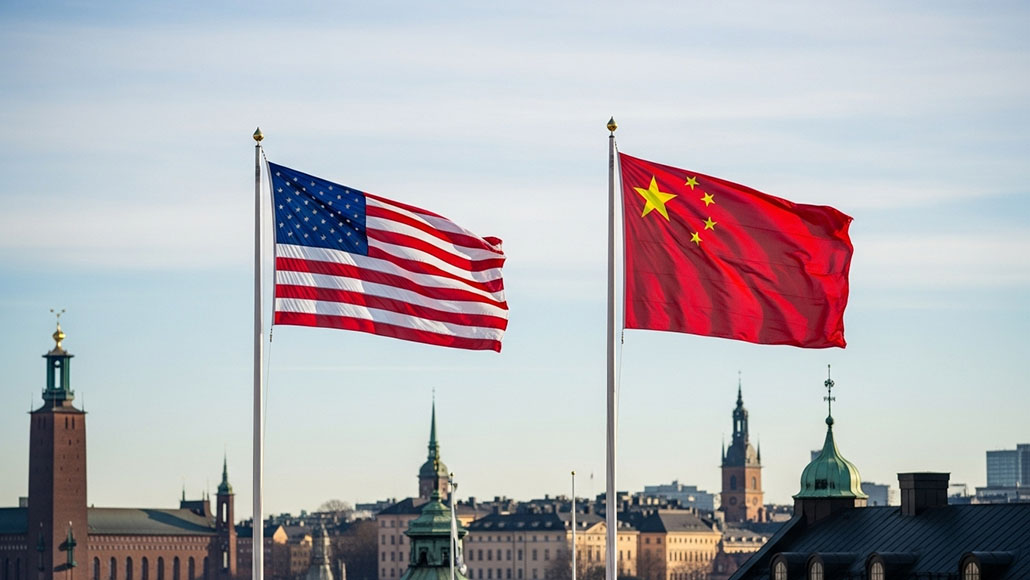

The US is extending its pause on additional retaliatory tariffs for imports from China till November 10 as per an executive order, which was signed by President Donald Trump on 11 August 2025.
The order went on to say that the extension is appropriate following the significant steps that China had taken in order to address US trade concerns within the ongoing discussions between both countries.
It is well to be noted that since May 14, 2025, the US has been charging many imports from China a 30% extra duty. That rate, which is a combination of 20% tariffs tied to fentanyl trafficking as well as a 10% baseline reciprocal tariff, came as the two countries went on to agree to pause duties, which were imposed as part of a tit-for-tat tariff escalation, for 90 days. This pause was originally set to expire on August 12.
As per the May agreement, China decreased the 34% tariff rate, which it enacted in April, to 10% and also removed other retaliatory duties. China’s ministry of finance went on to announce that it would maintain this rate for another 90 days.
Apparently, the latest extension comes after officials from both countries met in Stockholm, Sweden, in July 2025 for trade talks. Treasury Secretary Scott Bessent told CNBC on July 29 that an extension that was discussed in Stockholm was pending the president’s approval since he happens to have the final say on all the trade deals.
Bessent added that they’re just going to give him the facts, and then he’s going to be the one who is going to decide.
It is well to be noted that in June 2025, the US and China went to announce that they had agreed to a framework of a deal, which was pending an approval of President Trump and President Xi Jinping. At that point in time, Trump had said that the proposed deal would see the US levy a total of a 55% tariff on imports from China, whereas China will maintain a 10% duty on products that arrive from the US.
The fact is that China happens to remain a very critical manufacturing hub for numerous supply chains, even amidst the efforts to diversify the sourcing away from the country in the face of the current trade uncertainty. Notably, in 2024, China accounted for almost 11% of US trade activity, as per data coming from the US International Trade Commission. The US had an almost $295 billion trade deficit with China in 2024, which was the largest it had with any of its trading partners.
Interestingly, this extension comes days after the Trump administration went on to reinstate
Country-specific reciprocal tariffs on a large chunk of trading partners, with many of the rates differing from what was announced earlier by Trump in April 2025.

